Showing posts with label rental property. Show all posts

Wednesday, December 12, 2018

Best Tips to Winterize a Vacant House


Though occupied homes can also benefit from a quick winterization, vacant houses are particularly prone to damage during extended periods of freezing temperatures. By winterizing a vacant house, you are protecting your investment, and keeping it in good condition so it can be sold, rented or otherwise inhabited at a moment’s notice without worry of unforeseen issues. If you own property in a cold climate that’s prone to long winters, here are a few suggestions that will help you in winterizing it.

Winterizing with Utilities

First of all, it is advisable to leave the heat on very low. Though it might seem like a waste of money or energy at first glance, a minimal heating bill will be less expensive than the cost of potential repairs if everything were to freeze up. There are many systems and components in a house that are meant to be kept at or near room temperature. By using your furnace or boiler at a low level, you are keeping these things secure.
Most people know that a big part of winterizing is dealing with pipes and plumbing. If you have turned off the water, hopefully that means the house was plumbed on a downgrade so you were able to drain all the pipes completely and eliminate the chance of water expanding inside them and breaking the pipes. If not, it usually is advisable to leave some water running through the pipes by turning on the fixture closest to where water enters the house and at the farthest point indoors, say in an upstairs bathroom. It needs to trickle constantly to keep water flowing.
It is also advisable to wrap insulation around the water heater, the pipes leading to and from it and insulate any pipes exposed outdoors, in a crawl space under the house, etc. If the pilot light is left on, it is not necessary to drain the water heater, but if not, then it probably should be drained and turned off. You might call a local plumbing company in your area to discuss whether you should turn the water back on or not.
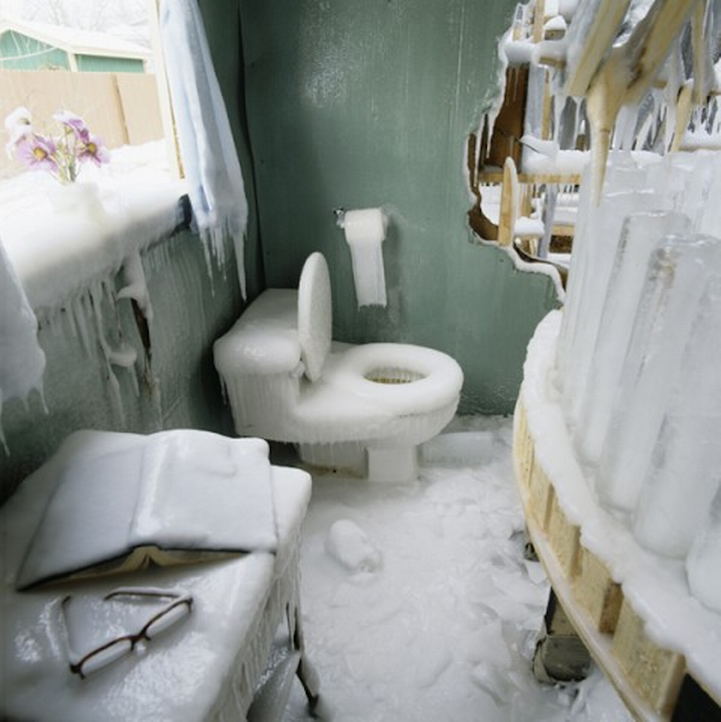
It is not a bad idea to put some antifreeze in both the tank and bowl of each toilet. If the heat goes out and water inside the toilets freezes, it could crack the china fixtures.

Other Winterizing Techniques

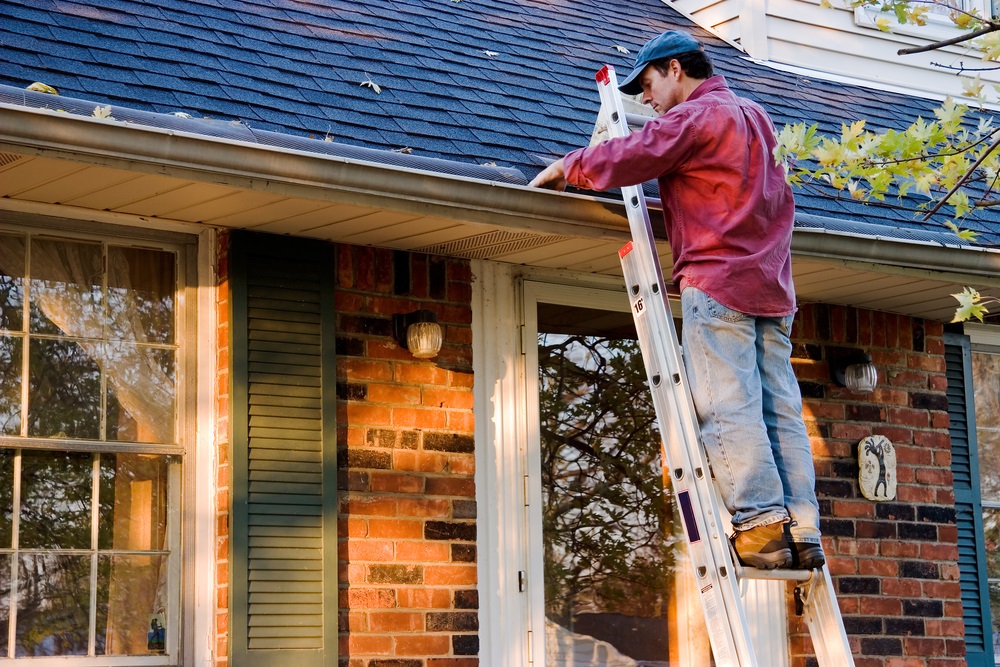
Winterizing your plumbing and water systems might be the most important aspect of winterizing in general, but coming in pretty close is inspecting your roof and cleaning out your gutters. The roof and attic of a vacant house might be left alone for very long periods of time, so getting a roof inspection for about $500 before cold weather hits is a fantastic idea, and could end up saving you some serious money in the long run. Gutters, like plumbing, can develop real problems if ice is allowed to build up in them. Having your gutters cleaned before winter begins will reduce the risk of too much ice forming inside them.
Finally, make sure someone checks on the house every week or two, if at all possible. Though you can certainly take precautions such as winterizing whatever you can in and around the house, unexpected situations can still occur. A quick look around done periodically for as long as the house is empty (even during warmer weather) can mean the difference between a problem being caught early enough to be fixed before any damage is done, and a problem that’s left unchecked long enough to cause hundreds or even thousands of dollars in damage.

Greg Hammond  Eagle Thirteen Properties We Buy Houses Louisville

Wednesday, January 3, 2018

How to Winterize Your Vacant Rental Property


Though occupied homes can also benefit from a quick winterization, vacant houses are particularly prone to damage during extended periods of freezing temperatures. By winterizing a vacant house, you are protecting your investment, and keeping it in good condition so it can be sold, rented or otherwise inhabited at a moment’s notice without worry of unforeseen issues. If you own property in a cold climate that’s prone to long winters, here are a few suggestions that will help you in winterizing it.

Winterizing with Utilities

First of all, it is advisable to leave the heat on very low. Though it might seem like a waste of money or energy at first glance, a minimal heating bill will be less expensive than the cost of potential repairs if everything were to freeze up. There are many systems and components in a house that are meant to be kept at or near room temperature. By using your furnace or boiler at a low level, you are keeping these things secure.
Most people know that a big part of winterizing is dealing with pipes and plumbing. If you have turned off the water, hopefully that means the house was plumbed on a downgrade so you were able to drain all the pipes completely and eliminate the chance of water expanding inside them and breaking the pipes. If not, it usually is advisable to leave some water running through the pipes by turning on the fixture closest to where water enters the house and at the farthest point indoors, say in an upstairs bathroom. It needs to trickle constantly to keep water flowing.
It is also advisable to wrap insulation around the water heater, the pipes leading to and from it and insulate any pipes exposed outdoors, in a crawl space under the house, etc. If the pilot light is left on, it is not necessary to drain the water heater, but if not, then it probably should be drained and turned off. You might call a local plumbing company in your area to discuss whether you should turn the water back on or not.
It is not a bad idea to put some antifreeze in both the tank and bowl of each toilet. If the heat goes out and water inside the toilets freezes, it could crack the china fixtures.

Other Winterizing Techniques

Winterizing your plumbing and water systems might be the most important aspect of winterizing in general, but coming in pretty close is inspecting your roof and cleaning out your gutters. The roof and attic of a vacant house might be left alone for very long periods of time, so getting a roof inspection for about $500 before cold weather hits is a fantastic idea, and could end up saving you some serious money in the long run. Gutters, like plumbing, can develop real problems if ice is allowed to build up in them. Having your gutters cleaned before winter begins will reduce the risk of too much ice forming inside them.
Finally, make sure someone checks on the house every week or two, if at all possible. Though you can certainly take precautions such as winterizing whatever you can in and around the house, unexpected situations can still occur. A quick look around done periodically for as long as the house is empty (even during warmer weather) can mean the difference between a problem being caught early enough to be fixed before any damage is done, and a problem that’s left unchecked long enough to cause hundreds or even thousands of dollars in damage.

Friday, May 12, 2017

20 Tips for Being a Successful Landlord

1. Use “lease targeting”

Schedule the majority of your lease end dates for times when the market is providing the most prospective tenant traffic. June 1st is often a great target move-in date.

2. Treat your rental like a business

What system do you have in place to manage maintenance requests if you’re out-of-town on vacation? Are you setting aside 10% of your rental income for repairs?

3. Screen out the bad tenants

Make sure tenant income is at least 3x the cost of monthly rent. Run a credit and background check, follow Fair Housing laws, ask for referrals from previous landlords, and avoid tenants with past evictions.

4. Keep your tenants happy

It’s a LOT cheaper to retain a tenant than to find a new one. Fix repairs promptly, keep the property in good shape, treat your tenants with respect, and you’ll see less turnover and more cash flow.

5. Have a lawyer review the lease

Many of the common provisions placed in lease contracts are illegal. An attorney familiar with changing landlord-tenant laws can quickly spot lease errors and provide you with a court-tested document.

6. Reinforce good behavior

Reward on-time, advanced rent payments, or tenant referrals with movie tickets, chocolates, dinner vouchers, anything your tenant would appreciate.

7. Do not discriminate

Follow Fair Housing laws when screening prospective tenants. These Federal lows make it illegal to discriminate on the basis of race, color, religion, national origin, sex, disability, or familial status.

8. Move-in / move-out inspections

Have the tenant document and sign off on any damages before the move in. Shoot video of the property before move-in and after the tenant vacates the property.

9. Set your hours

Set “office hours” or your tenant will set them for you. After all, it’s one of the perks of being a landlord in the first place :)

10. Get professional help

Just because you worked in construction and know how to operate power tools doesn’t mean you should be breaking up concrete and fixing the plumbing problems by yourself.

11. Document everything

When it comes to being a successful landlord there is no such thing as a verbal agreement, only a signed contract. In order to protect your interests and the interests of your tenants, get everything in writing.

12. Figure out the right rent

How do you go about setting rental rates in line with the current market? Look in the local newspaper. Pay close attention to location. Check the internet for local rental rates. Always base your rent rates on current market conditions.

13. Set up a Google Voice number

Instead of giving tenants access to your personal cell number, set up a Google Voice account – which will supply you with a phone number that will forward through to your cell phone.

14. Electronic rent payments

Many tenants prefer to pay rent online. It’s faster and often more convenient. Look into setting up automatic rent payments with Cozy. I LOVE Cozy!!!

15. You are NOT the owner

When you are the owner the tenant will blame you for these decision. Fear of this blame will often lead many landlords to start making decisions out of convenience rather than common sense.

16. Have a late policy

Make it clear from day one you will be charging a late fee for overdue rent. The key is to be strict with the policy. The extra income will help compensate for the stress of not getting rent on time.

17. Use multi-media marketing

“List it and they will come…” I wish it were that easy. In order to get your property in front of the renter (many or which are millennials), you need to have a presence across multiple marketing channels.

18. Keep family out of it.

Renting to friends and family is a recipe for disaster. Each time, you’ll be faced with the following dilemma: Lose the money or lose the relationship. Don’t put yourself in that situation.

19. Have an enforceable lease

Make sure you have an air tight lease that sets the terms and conditions for your tenants.

20. Get the right insurance

Make sure you have the maximum amount of rental insurance, property liability insurance, and any other type of insurance required in your state.

Tuesday, May 9, 2017

How to Make Good Tenants Happy and KEEP THEM!

As a property manager/landlord, you are already aware that good tenants who pay their rent on time, take care of the property, and are well-mannered and polite, are hard to find. Add to this the loss in rental income as the property lies vacant, the time, effort and money that goes into advertising for new tenants, screening potential tenants, turning the property….phew! It makes more sense to put your effort into retaining the good tenants, who are already renting from you, doesn’t it?
Here are a few pointers to help you ensure your best tenants stick around and renew their lease:

1. Look after the property… and your tenants

Your job does not end with handing over the keys to the rental unit. In order to attract and retain good tenants, you have to maintain a clean, well looked after property that demonstrates your intentions as a landlord or a property manager. You have to make your tenants feel happy and proud that they are living there. A swimming pool that is always filthy, overgrown landscape, malfunctioning outdoor lights – all these factors will count against you when your tenant makes the final decision to renew the lease or move out.
On the other hand, a landlord or property manager who ensures the walkways and sidewalks in his property are cleared of snow in a timely manner in winter, responds to requests or complaints promptly and efficiently, maintains a clean and well-maintained property, and shows concern for the comfort and well-being of his tenants wins their support and loyalty.

2. Be responsive and proactive

It is simpler to get your tenant to renew the lease if he likes you and is happy to deal with you. If you never answer your tenant’s calls, do not call back or show up for the important things, don’t be surprised if he decides not to stay for another year.
Respond to your tenant’s requests or complaints promptly and efficiently. If you feel you need more time to resolve the issue effectively, communicate the situation to the tenant. And most importantly, don’t ignore the request – even if you feel that the problem is something beyond your control. Instead, discuss the issue with them and offer support or resources to help them solve it on their own.
tenant retention
You should also be proactive in solving issues that you know are bound to crop up sooner or later. Come up with a preventive maintenance program to keep track of periodic tasks such as testing smoke detectors, tree trimming, changing HVAC filters and so on. One of my previous landlords used to arrange for a home inspection every fall to make sure that the property is well-insulated and equipped for the coming winter. He also used to contact us on the first of every month to ensure that we are happy with the home or apartment and do not have any concerns. Remember, happy tenants make for a happy landlord.

3. Observe fair housing practices

Follow fair housing rules that help your tenants create a comfortable home for themselves. Offer reasonable rental prices that are comparable with other properties in the neighborhood. It doesn’t take a genius to understand that your tenants are not going to stay with you if you charge high rents that are not inline with the neighborhood or current market conditions.

4. Don’t be a stranger

Don’t be the stranger who turns up only to collect the rent. Send out a greeting card or gift basket to your tenants on their birthdays. Wish them on major festivals and thank them for being a good tenant or paying the rent on time. It won’t cost you much, but will bring you a lot of trust and goodwill and help build a relationship.
At the same time, remember your boundaries as a landlord. Don’t show up every other week without prior notice. It is a huge invasion of privacy and can quickly scare away even the best of tenants!

5. Set up a rewards system

Several innovative property management companies have recently come out with resident rewards systems to reward tenants for good behavior, and hopefully, reduce tenant layover. For example, a tenant gets 100 points if he pays the rent on time. He gets another 500 points if he refers a friend who also becomes a tenant. He can then redeem these points for free gifts, household items, restaurant coupons, movie tickets or property upgrades. Obviously, such programs are beneficial for the landlord only if he has a sizeable number of tenants.

6. Form a big, happy family!

Involve your tenants in the community and help them out down roots by organizing events, talks, games or seminars where they can interact with each other. Set up a weekly book club or sports league. Create a garden area where residents can hang around out. Throw seasonal parties. Send out weekly or monthly community newsletters detailing local programs.
tenant retention

7. Train your staff to be tenant-friendly

Remember, you may or may not be able to personally address every tenant concern or complaint that comes your way. Most often that not, your tenants are going to interact with your employees or the leasing office staff. Hire people who understand your policies and treat your tenants with respect.

8. Offer renewal incentives

If you’ve got some great tenants coming up for a lease renewal shortly, contact them before the end date and find out what their plans are. Offer them a renewal incentive if they are still deciding – it may just swing the vote in your favor.
Though you can always ask them directly what it would take to renew the lease, you can also go with the standard and tested renewal incentives such as cash bonuses, electronic gifts, free covered parking, new kitchen appliances or rent discounts. You can also allow them to choose from a list of pre-approved home modifications, such as new flooring, window treatments or different wall colors, to make them feel more at home.
As with any other relationship, the tenant – landlord/property manager relationship requires continuous investment of time and effort. If your tenant is still set on moving out, don’t hesitate to ask him what went wrong. If you are lucky, it may be something that you can fix, or at least, correct the next time around.

Monday, April 24, 2017

12 Rental Property Improvements You Can Make for Under $500


1. Paint

You may not be able to paint a whole house for $500, but you can enhance key rooms and create accent walls. Trending colors this year may include grays, beiges, greens, and pinks.

2. Change Out Flooring

The same applies to flooring. In cheap rentals, you may be able to use vinyl or focus on small, key areas of flooring. Putting new flooring in small entry areas and bathrooms or replacing the carpet in that one ugly bedroom could make a big difference in renting quickly and for more money.

3. Patch the Roof

Roof leaks can cause major havoc with rentals. They can quickly deteriorate your asset, cause ballooning repair bills, add to the maintenance interaction burden with tenants, and can lead to damage of renter belongings, which you may be on the hook for. In many cases you don’t need a new roof, just patches.
10 Landscaping Tips for the Family-Friendly Home

4. Add Smart Home Tech

Add some trendy new tech to make renters feel great about their choice. That could be smart locks or smart thermostats, better wifi, or new Google Home devices.

5. Bring in a Bar

You may be able to expand countertops or bring in a standalone bar, which really adds to the excitement and emotional appeal of a place.

6. Resurface Cabinets

Replacing kitchen and bathroom cabinets can be expensive and a lot of work. Instead, look at options for resurfacing existing ones.

7. Add a Backsplash

Kitchen backsplashes can make a massive difference in the appeal and perceived value of a home.

8. Consider Flex Office Space

Working from home is fast becoming the new norm. Many remote workers soon find that working from the sofa isn’t as effective as they expected. You may not want to reduce bedroom counts by turning one into a home office. However, you may be able to create some flex space with a cabinet, pantry, or Murphy bed that enables quick changes between daily living space and the office.
work-from-home

9. Finish the Garage

Finished garage spaces add a big “wow” factor and more value. Even on a tight budget, you may be able to finish walls, add flooring, install storage, or put in office furniture.

10. Replace Hardware

Replacing front door and cabinet hardware can have one of the best returns of any home improvement.

11. Stage the Home

Staging can be powerful for marketing rentals. You can do this virtually for less than $500—or bring in some extra furniture or rented furniture temporarily.

12. Replace Appliances

Appliances are a big deal to renters. Replace microwaves or dishwashers that are broken, consider adding a washer-dryer, or lease new appliances as a staging move. You can choose whether or not to include the appliances for the duration of the lease.

Saturday, July 30, 2016

Tips For Managing Rental Properties #rentalproperty

Managing a rental property can create numerous legal issues. One of the most important aspects of supervising a rental unit is the prevention of problems before they occur. Knowledge of the basic duties a landlord owes to tenants is one of the first steps in warding off legal issues. The following landlord tips provide an overview of the common legal issues faced by landlords.

Landlord Tip #1: Don't Discriminate Against Prospective Tenants

A landlord may not reject a prospective tenant for reasons that are discriminatory. The Federal Fair Housing Acts prohibits a landlord from denying an applicant because of race or color, national origin, familial status, disability, or sex. A landlord may base a decision on the following factors: credit history, employment history, and income. If a landlord decides to reject an applicant because of information in a credit report, the Fair Credit Reporting Act requires the landlord to provide the applicant with the name and address of the credit reporting agency. A landlord should keep written documentation of the reason a prospective tenant was rejected and the screening process used should be applied consistently with each applicant.

Landlord Tip #2: Put a Landlord/Tenant Agreement in Writing

One of the most important landlord tips is to enter into a written rental agreement with the tenant. Typical residential lease agreements specify important rental terms that will guide the landlord/tenant relationship. The most important provisions include the following: the names of the tenants, the length of the tenancy, the amount of the security deposit, the party responsible for specific repairs, whether pets may live in the rental unit, and the amount of rent. A lease agreement should specify when rent is due, what form of payment is acceptable, whether a grace period applies, and whether late fees and returned check fees apply.

Landlord Tip #3: Regularly Inspect the Property

A landlord should inspect a rental property for dangerous conditions. When a tenant sustains injuries on the property, the landowner may bear legal responsibility. The law allows a person injured on a property to recover compensation when the landlord behaved recklessly or with intent, was unreasonably careless, violated health and safety regulations, failed to make certain repairs, or the premises was inhabitable.
A landlord should also be aware of criminal activity on and around the rental property. In many states, a landlord is responsible for providing the surrounding neighborhood with protection against illegal activity engaged in by tenants. At the same time, the landlord must protect tenants from each other and from criminals that enter the property. A landlord should make note of reports of criminal activity on the premises and should provide security features like deadbolts, security lighting, and locks on windows.

Landlord Tip #4: Notify Tenant before Entering the Rental Unit

Every state has different guidelines on when it is permissible for a landlord to enter a rental unit, but most laws are based on the tenant's right of privacy. Therefore, a landlord may only enter a rental unit for a few specific purposes. Most states will permit a landlord to enter a unit to make repairs, inspect the property, show the property to prospective tenants, or in the case of an emergency. In all instances, except during an emergency, a landlord must provide a verbal or written notice of the intent to enter the premises 24 hours before the entry. An emergency, such as a gas or water leak, overrides the requirement of notice.

Landlord Tip #5: Make Repairs Promptly


It is a landlord's duty to repair and maintain a rental property in a way that is fit for occupancy. The law refers to this as an "implied warranty of habitability." Most states require rental units to provide tenants with heating, plumbing, electricity, and gas. The failure to provide these basic features is a violation of the law. When a tenant makes a request for repairs to a necessary fixture in the unit and the landlord fails to make the repair, the tenant has a several options. Most states will allow a tenant to withhold rent, make the repair and deduct the cost from the rent, move out, inform state or local building inspectors, or pay the rent and sue the landlord for the difference of the rent and the real rental value of the property. If an injury occurs because of the failure to make a repair, the tenant may sue the landlord for compensation.